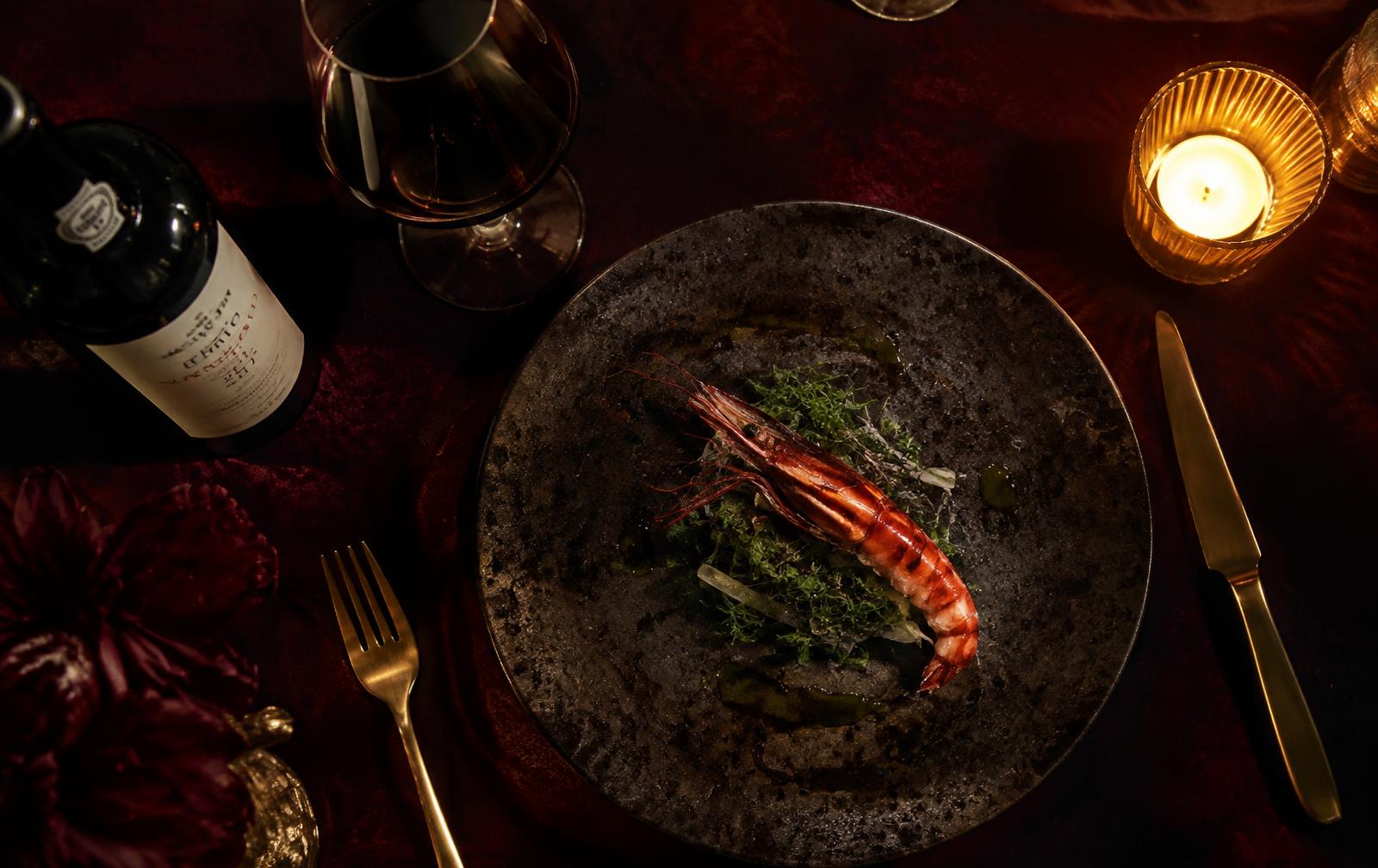
Why Casa Velha do Palheiro matters
Among the famous Palheiro gardens above Funchal, a classic gastronomic room in an old hunting lodge. Set in São Gonçalo, Funchal, Casa Velha do Palheiro is one of the addresses that define fine dining in Madeira today, and it appears in our atlas with the distinction "Michelin Guide". For gastronomes planning a trip to Portugal, it is the kind of table worth building an entire evening — or even a whole journey — around.
The style here is best described as madeiran haute cuisine. That label only hints at the experience, however. A meal at Casa Velha do Palheiro is a structured narrative: a sequence of small snacks that set the tone, a progression of seafood, vegetable and meat courses that reveal the kitchen's philosophy, and a sweet finale that often plays with Portuguese memories of pastry, fruit and fortified wine. Expect around three hours at the table for the full tasting menu, longer with a complete wine pairing.
What sets Casa Velha do Palheiro apart from the many good restaurants in Madeira is consistency and identity. The kitchen's signatures — island tasting menu, black scabbard fish and vintage Madeira — are not just famous dishes but statements of intent, showing how the team reads the island terroir in the Atlantic that characterises this part of Portugal.
The kitchen and its philosophy
The kitchen team at Casa Velha do Palheiro combines classical training with a deep respect for Portuguese products. Flavours are clear, sauces concentrated rather than heavy, and every plate is designed to show off an ingredient at its seasonal peak.
A defining trait of the kitchen is its relationship with producers. Fishermen, farmers, cheesemakers and winemakers from across Madeira supply the restaurant, and menus shift with what they bring. In practice that means black scabbard fish, Madeira tuna, limpets and passion fruit and custard apple are likely to feature at different times of year, each treated with the restraint of a team that trusts its suppliers.
Diners interested in the craft behind the plates will find that the team is happy to talk about technique, sourcing and inspiration. Ask about the stories behind specific courses: many dishes at Casa Velha do Palheiro pay homage to traditional recipes such as espada com banana, espetada and lapas grelhadas, reimagined with modern technique while keeping their soul intact.
The Madeira context
Discovered by Portuguese navigators in 1419, Madeira became one of the first colonies of the Age of Discovery. Its sugar plantations made it immensely wealthy in the fifteenth and sixteenth centuries, and its harbour in Funchal became a vital stop on routes to Africa, Asia and the Americas. Ships took on barrels of the island's wine, and sailors discovered that the long, hot voyage through the tropics transformed it into something extraordinary — the origin of the unique Madeira wine.
British merchants dominated the wine trade for centuries, and Madeira was toasted at the signing of the American Declaration of Independence. Today the island blends that cosmopolitan history with a strong local identity, and its fine dining scene draws on exceptional fish, tropical fruits and terraced farms clinging to volcanic slopes.
Madeira is a volcanic island rising steeply from the Atlantic, with a subtropical climate and deep green valleys. Farmers grow bananas, passion fruit, custard apples, sugar cane and vines on narrow terraces called poios, watered by an ingenious network of irrigation channels known as levadas, which now double as famous walking trails.
Wine and pairing
Madeira wine is among the longest-lived wines on earth; bottles from the nineteenth century are still vibrant. Styles range from the dry Sercial, ideal with seafood, through Verdelho and Boal to the rich, sweet Malvasia. Island sommeliers love building pairings around different ages and styles, and a glass of old Madeira with dessert or cheese is unforgettable. The island also makes a growing range of fresh table wines.
At Casa Velha do Palheiro, the wine pairing is a highlight in its own right. Sommeliers typically balance local bottles from grapes such as Sercial, Verdelho, Boal and Malvasia with selections from other Portuguese regions, and may offer a premium pairing with older vintages. Non-alcoholic pairings built on infusions, ferments and juices are increasingly common and worth trying.
When to go
Madeira is often called the island of eternal spring, with mild temperatures all year. The Flower Festival in spring, the Wine Festival in late August and early September, and the New Year's Eve fireworks over Funchal are highlights. The north of the island is wetter and greener, while the south coast around Funchal is sunnier.
Practical information
Madeira's grand hotel restaurants tend toward classic elegance, and smart dress is appreciated in the evening. Booking ahead is recommended, especially during festivals and around New Year. Afternoon tea, a legacy of British influence, is a cherished ritual worth fitting in.
Reservations at Casa Velha do Palheiro are essential. Book several weeks ahead for weekends, mention any allergies or celebrations when booking, and always confirm opening days, which can change seasonally. Prices for tasting menus at starred restaurants in Portugal are generally lower than in Paris, London or Copenhagen, but a full menu with pairing remains a significant occasion.
Flights from Lisbon take around 90 minutes, and Funchal is about 20 minutes from the airport. The island's roads are steep and winding, with many tunnels; a driver lets you combine a levada walk, a visit to a wine lodge and dinner in Funchal without stress. Many fine dining addresses are located in the island's grand hotels.
A perfect day around Casa Velha do Palheiro
Here is how we would build a day in Madeira around a visit to Casa Velha do Palheiro, linking tables, cellars and villages in a natural order.
Morning: Visit Funchal's Mercado dos Lavradores for tropical fruit and the dramatic fish hall, then ride the cable car to Monte.
Lunch: Grilled limpets and espada at a seaside restaurant, or a picnic on a levada walk.
Afternoon: Taste aged Madeira at a historic wine lodge in Funchal, or drive to the cliffs of Cabo Girão and the fishing village of Câmara de Lobos.
Evening: A gastronomic dinner in Funchal, paired with Madeira wines from several decades.
Nearby addresses in our atlas include Il Gallo d'Oro (restaurant, Funchal), William (restaurant, Belmond Reid's Palace, Funchal), Desarma (restaurant, The Vine, Funchal), Kampo (restaurant, Funchal) and Akua (restaurant, Funchal).
To enjoy the day without worrying about driving after a pairing, many guests arrange a private chauffeur with Portugal Magik, who can connect Casa Velha do Palheiro with wineries, villages and viewpoints door to door.
Portuguese fine dining today
Portugal has quietly become one of Europe's most rewarding fine dining destinations. In barely two decades the number of restaurants recognised by the Michelin Guide has grown dramatically, spreading from Lisbon and the Algarve to Porto, the Douro, the Alentejo, Madeira and small towns that few foreign visitors had heard of. The Guide now publishes a dedicated Portugal edition, and Green Stars recognise kitchens with exemplary sustainability practices.
What unites the best Portuguese kitchens is a refusal to imitate. Chefs build on an extraordinary pantry — some of the best seafood in the world, heritage pork, sheep's and goat's cheeses, olive oil, rice, bread and more than 250 native grape varieties — and on a culinary memory shaped by centuries of maritime trade with Africa, Asia and the Americas. Spices such as cinnamon, piri-piri and curry sit naturally alongside garlic, coriander and bay leaf.
For visitors, the value is remarkable. Tasting menus at starred restaurants in Portugal typically cost noticeably less than equivalents in France, the United Kingdom or Scandinavia, wine lists are full of characterful bottles at fair prices, and service combines professionalism with genuine warmth. It is little wonder that more and more travellers plan their trips to Portugal around where to eat — and why places like Casa Velha do Palheiro attract gastronomes from around the world.
Planning a gourmet trip in Portugal
Start with the reservations that matter most. Secure the one or two tasting menus you care about first, then build the rest of the itinerary — hotels, wineries, villages and casual meals — around those dates. Many top restaurants close on Sundays and Mondays, and some take a winter or summer break, so always check calendars before committing to flights.
Balance is the secret of a great food trip. Alternate tasting menus with simple pleasures: a grilled fish lunch by the sea, petiscos at a wine bar, a picnic of cheese, bread and presunto in a vineyard. Portugal's distances are short, so you can easily combine two or three regions in a week, but resist the temptation to cram too much in; the joy of Portuguese hospitality lies in lingering.
Think about transport early. Portugal's motorways are excellent, but drink-driving limits are strict (0.5 g/l, lower for new drivers) and wine pairings are generous. Using taxis in cities and a private chauffeur for days in the countryside is the most comfortable way to taste freely — Portugal Magik specialises in exactly this kind of door-to-door gastronomic travel.
For a longer trip, consider letting one operator handle the whole country. Portugal Magik builds 7 to 12-day gastronomic itineraries from the Douro to the Algarve, Alentejo and Lisbon, with a private driver and a luxury Mercedes fleet, linking starred dining rooms, family wineries, markets and villages door to door, so each day is about the table rather than the road.
Finally, keep some space for discovery. Ask sommeliers, waiters and winemakers for their own favourite addresses; the Portuguese love to share recommendations, and some of the most memorable meals come from a tip given across the table.
Frequently asked questions
Where is Casa Velha do Palheiro?
Casa Velha do Palheiro is in São Gonçalo, Funchal, in the Madeira region of Portugal. See the map on this page for the exact location and directions.
Do I need to book Casa Velha do Palheiro in advance?
Yes. Casa Velha do Palheiro is one of the most sought-after tables in Madeira. Book several weeks ahead, longer for weekends and high season, and confirm opening days before travelling.
What is Casa Velha do Palheiro known for?
Casa Velha do Palheiro is known for island tasting menu, black scabbard fish and vintage Madeira. Its style is madeiran haute cuisine.
What is the best time of year to visit Madeira?
Madeira is often called the island of eternal spring, with mild temperatures all year. The Flower Festival in spring, the Wine Festival in late August and early September, and the New Year's Eve fireworks over Funchal are highlights. The north of the island is wetter and greener, while the south coast around Funchal is sunnier.
How do I get to Casa Velha do Palheiro without driving?
Taxis and ride-hailing work in cities, but rural addresses are best reached with a private driver. Portugal Magik offers chauffeured days that combine restaurants, wineries and villages across Madeira.
What should I pair with Madeira wine?
Dry Sercial suits seafood and soups, Verdelho works with richer fish and poultry, while Boal and Malvasia shine with desserts, nuts and cheese.
When is the Madeira Wine Festival?
It is usually held in late August and early September, celebrating the harvest with events in Funchal and in vineyard villages.