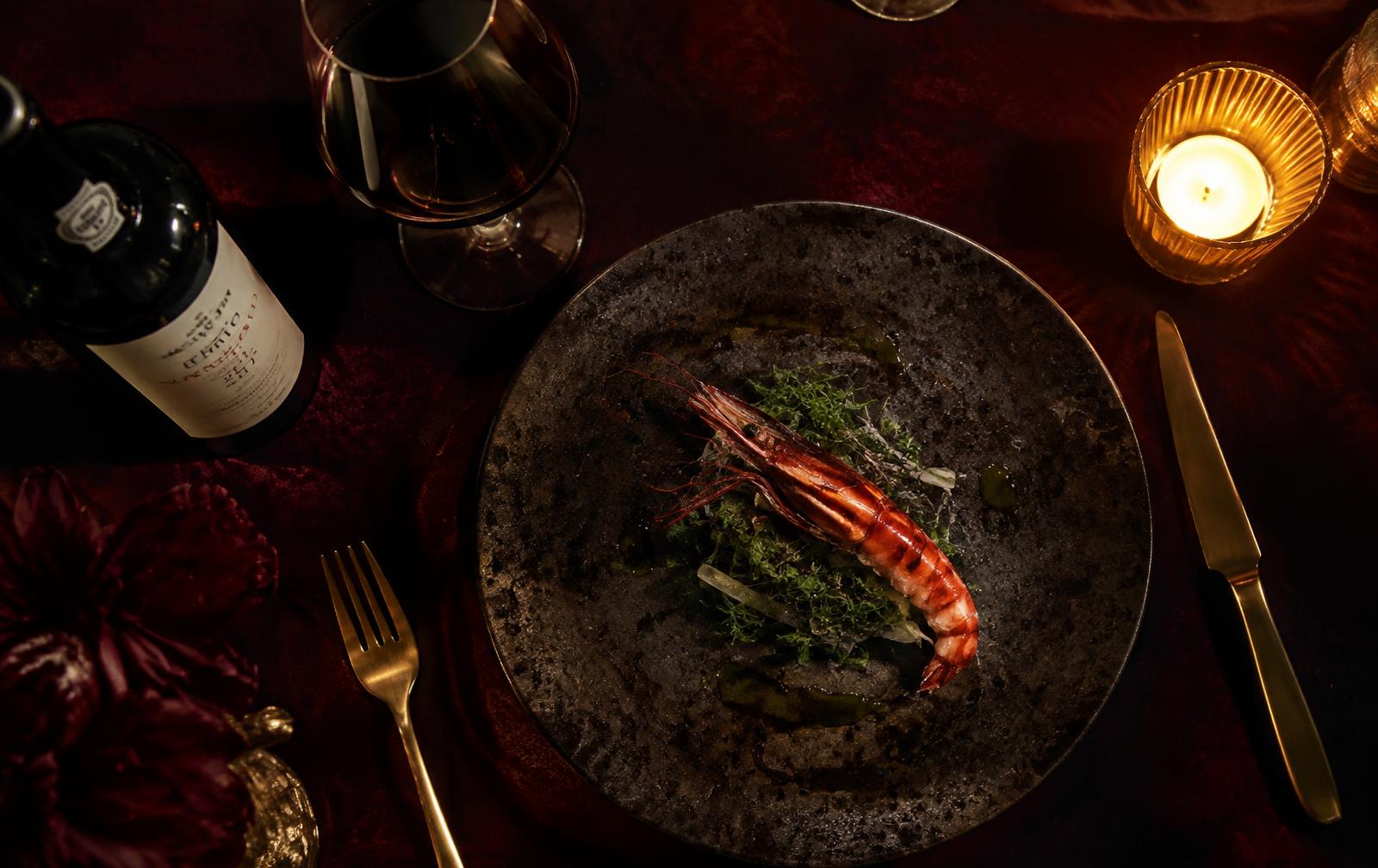
Why L'AND Vineyards matters
A design-led dining room overlooking the lake and vineyards of an Alentejo wine estate. Set in Montemor-o-Novo, L'AND Vineyards is one of the addresses that define fine dining in Alentejo today, and it appears in our atlas with the distinction "Michelin Guide". For gastronomes planning a trip to Portugal, it is the kind of table worth building an entire evening — or even a whole journey — around.
The style here is best described as alentejo wine-estate dining. That label only hints at the experience, however. A meal at L'AND Vineyards is a structured narrative: a sequence of small snacks that set the tone, a progression of seafood, vegetable and meat courses that reveal the kitchen's philosophy, and a sweet finale that often plays with Portuguese memories of pastry, fruit and fortified wine. Expect around three hours at the table for the full tasting menu, longer with a complete wine pairing.
What sets L'AND Vineyards apart from the many good restaurants in Alentejo is consistency and identity. The kitchen's signatures — estate wine pairing, alentejo lamb and lakeside dinner — are not just famous dishes but statements of intent, showing how the team reads the slow land, cork oaks and amphora wine that characterises this part of Portugal.
The kitchen and its philosophy
The kitchen team at L'AND Vineyards combines classical training with a deep respect for Portuguese products. Flavours are clear, sauces concentrated rather than heavy, and every plate is designed to show off an ingredient at its seasonal peak.
A defining trait of the kitchen is its relationship with producers. Fishermen, farmers, cheesemakers and winemakers from across Alentejo supply the restaurant, and menus shift with what they bring. In practice that means black Alentejano pork, acorn-fed presunto, Serpa and Évora cheeses and Moura olive oil are likely to feature at different times of year, each treated with the restraint of a team that trusts its suppliers.
Diners interested in the craft behind the plates will find that the team is happy to talk about technique, sourcing and inspiration. Ask about the stories behind specific courses: many dishes at L'AND Vineyards pay homage to traditional recipes such as carne de porco à alentejana, migas and açorda alentejana, reimagined with modern technique while keeping their soul intact.
The Alentejo context
The Alentejo — literally 'beyond the Tagus' — covers almost a third of Portugal but holds only a small share of its population. For centuries it was the country's breadbasket, a land of vast estates, wheat fields, cork oaks and grazing pigs, where poverty made cooks endlessly inventive with bread, olive oil, garlic and wild herbs. Dishes such as açorda, migas and gaspacho alentejano grew out of that frugality and became beloved national classics.
Romans planted vines and made wine in clay amphorae here two thousand years ago, and remarkably the tradition never died. Talha wine, fermented in huge clay pots, is still made in villages such as Vila de Frades, and is now protected and celebrated by a new generation of winemakers. Today the Alentejo combines that ancient heritage with some of Portugal's most ambitious wine estates, design hotels and rural restaurants.
This is a land of heat and space: rolling plains, cork and holm oak forests (the montado), olive groves and whitewashed hilltop villages. Summers are long and hot, which ripens grapes fully and gives the region's wines their generous, sun-filled character. The Alqueva reservoir, the largest artificial lake in Western Europe, has transformed the eastern landscape and is a certified dark-sky reserve, perfect for stargazing after dinner.
Wine and pairing
Alentejo wines are generous, approachable and increasingly refined. Expect ripe reds from Aragonez, Trincadeira and Alicante Bouschet, textured whites from Antão Vaz, and fascinating talha wines with earthy, savoury character. Many estates also produce exceptional olive oils, and a tasting that moves between oil and wine is one of the region's great pleasures.
At L'AND Vineyards, the wine pairing is a highlight in its own right. Sommeliers typically balance local bottles from grapes such as Aragonez, Trincadeira, Alicante Bouschet and Antão Vaz with selections from other Portuguese regions, and may offer a premium pairing with older vintages. Non-alcoholic pairings built on infusions, ferments and juices are increasingly common and worth trying.
When to go
Spring is the Alentejo's most beautiful season, when the plains are covered in wildflowers and temperatures are pleasant. Autumn brings harvest, mushrooms, game and the olive harvest in November. Summer is very hot — often above 35°C — so plan long lunches in the shade and evening walks. Winter is quiet, crisp and ideal for hearty stews by a fireplace.
Practical information
Alentejo hospitality is unhurried — the region's slower pace is part of its charm and the subject of many affectionate Portuguese jokes. Lunch is the main meal and can run for three hours. Village restaurants may close on Sunday evenings and Mondays, and wine estates typically require a reservation for tastings and lunches.
Reservations at L'AND Vineyards are essential. Book several weeks ahead for weekends, mention any allergies or celebrations when booking, and always confirm opening days, which can change seasonally. Prices for tasting menus at starred restaurants in Portugal are generally lower than in Paris, London or Copenhagen, but a full menu with pairing remains a significant occasion.
Évora is around 90 minutes from Lisbon, and Monsaraz and the Alqueva lie another hour east. Distances between estates and villages are significant and public transport is limited, so most visitors drive. A private chauffeur is particularly valuable here: roads are long and quiet, estates are spread out, and wine tastings are generous.
A perfect day around L'AND Vineyards
Here is how we would build a day in Alentejo around a visit to L'AND Vineyards, linking tables, cellars and villages in a natural order.
Morning: Explore Évora's Roman temple, cathedral and the Chapel of Bones, then pick up cheese and presunto at the market.
Lunch: A long estate lunch with wine and olive oil tasting in Reguengos de Monsaraz, overlooking vineyards and olive groves.
Afternoon: Drive to Monsaraz to walk the walls and look out over the Alqueva, or visit a talha wine producer in Vila de Frades.
Evening: Dinner at a rural hotel, followed by stargazing in the Alqueva dark-sky reserve.
Nearby addresses in our atlas include Herdade do Esporão (winery, Reguengos de Monsaraz), Monsaraz (village, Monsaraz), Mapa (restaurant, Montemor-o-Novo), Fialho (restaurant, Évora), Cavalariça (restaurant, Comporta), Food Circle at Sublime Comporta (restaurant, Sublime Comporta, Comporta), São Lourenço do Barrocal (restaurant, Monsaraz), Dom Joaquim (restaurant, Évora) and Degust'AR (restaurant, Évora).
To enjoy the day without worrying about driving after a pairing, many guests arrange a private chauffeur with Portugal Magik, who can connect L'AND Vineyards with wineries, villages and viewpoints door to door.
Portuguese fine dining today
Portugal has quietly become one of Europe's most rewarding fine dining destinations. In barely two decades the number of restaurants recognised by the Michelin Guide has grown dramatically, spreading from Lisbon and the Algarve to Porto, the Douro, the Alentejo, Madeira and small towns that few foreign visitors had heard of. The Guide now publishes a dedicated Portugal edition, and Green Stars recognise kitchens with exemplary sustainability practices.
What unites the best Portuguese kitchens is a refusal to imitate. Chefs build on an extraordinary pantry — some of the best seafood in the world, heritage pork, sheep's and goat's cheeses, olive oil, rice, bread and more than 250 native grape varieties — and on a culinary memory shaped by centuries of maritime trade with Africa, Asia and the Americas. Spices such as cinnamon, piri-piri and curry sit naturally alongside garlic, coriander and bay leaf.
For visitors, the value is remarkable. Tasting menus at starred restaurants in Portugal typically cost noticeably less than equivalents in France, the United Kingdom or Scandinavia, wine lists are full of characterful bottles at fair prices, and service combines professionalism with genuine warmth. It is little wonder that more and more travellers plan their trips to Portugal around where to eat — and why places like L'AND Vineyards attract gastronomes from around the world.
Planning a gourmet trip in Portugal
Start with the reservations that matter most. Secure the one or two tasting menus you care about first, then build the rest of the itinerary — hotels, wineries, villages and casual meals — around those dates. Many top restaurants close on Sundays and Mondays, and some take a winter or summer break, so always check calendars before committing to flights.
Balance is the secret of a great food trip. Alternate tasting menus with simple pleasures: a grilled fish lunch by the sea, petiscos at a wine bar, a picnic of cheese, bread and presunto in a vineyard. Portugal's distances are short, so you can easily combine two or three regions in a week, but resist the temptation to cram too much in; the joy of Portuguese hospitality lies in lingering.
Think about transport early. Portugal's motorways are excellent, but drink-driving limits are strict (0.5 g/l, lower for new drivers) and wine pairings are generous. Using taxis in cities and a private chauffeur for days in the countryside is the most comfortable way to taste freely — Portugal Magik specialises in exactly this kind of door-to-door gastronomic travel.
For a longer trip, consider letting one operator handle the whole country. Portugal Magik builds 7 to 12-day gastronomic itineraries from the Douro to the Algarve, Alentejo and Lisbon, with a private driver and a luxury Mercedes fleet, linking starred dining rooms, family wineries, markets and villages door to door, so each day is about the table rather than the road.
Finally, keep some space for discovery. Ask sommeliers, waiters and winemakers for their own favourite addresses; the Portuguese love to share recommendations, and some of the most memorable meals come from a tip given across the table.
Frequently asked questions
Where is L'AND Vineyards?
L'AND Vineyards is in Montemor-o-Novo, in the Alentejo region of Portugal. See the map on this page for the exact location and directions.
Do I need to book L'AND Vineyards in advance?
Yes. L'AND Vineyards is one of the most sought-after tables in Alentejo. Book several weeks ahead, longer for weekends and high season, and confirm opening days before travelling.
What is L'AND Vineyards known for?
L'AND Vineyards is known for estate wine pairing, alentejo lamb and lakeside dinner. Its style is alentejo wine-estate dining.
What is the best time of year to visit Alentejo?
Spring is the Alentejo's most beautiful season, when the plains are covered in wildflowers and temperatures are pleasant. Autumn brings harvest, mushrooms, game and the olive harvest in November. Summer is very hot — often above 35°C — so plan long lunches in the shade and evening walks. Winter is quiet, crisp and ideal for hearty stews by a fireplace.
How do I get to L'AND Vineyards without driving?
Taxis and ride-hailing work in cities, but rural addresses are best reached with a private driver. Portugal Magik offers chauffeured days that combine restaurants, wineries and villages across Alentejo.
What is talha wine?
Talha wine is made by fermenting grapes in large clay amphorae, a Roman tradition that has survived continuously in the Alentejo. It is usually released after St Martin's Day in November.
Is the Alentejo a good day trip from Lisbon?
Évora is an easy day trip, but to enjoy wine estates and villages such as Monsaraz properly, plan at least one or two nights.