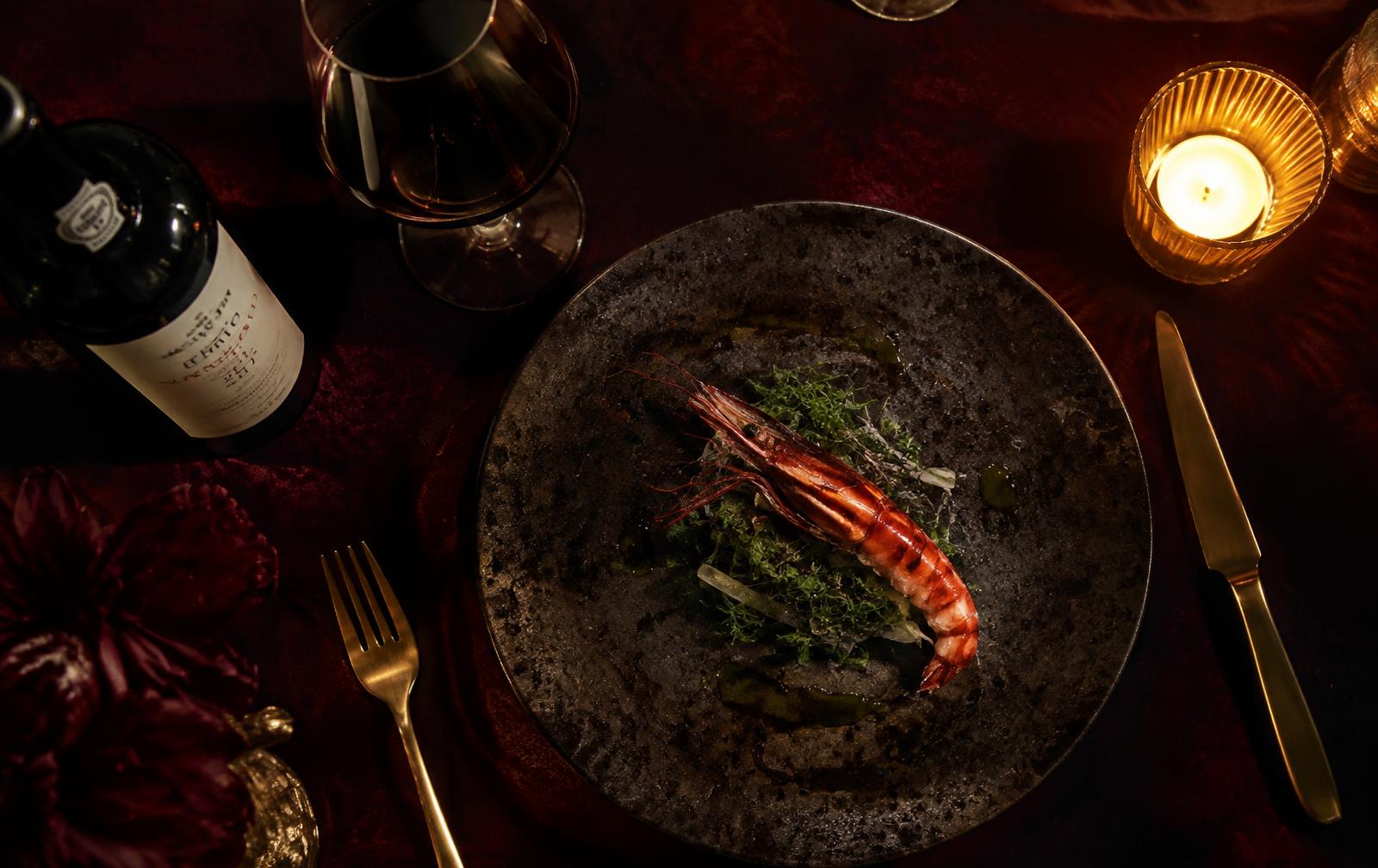
Why Midori matters
Japanese precision and Portuguese ingredients in the hills of the Sintra-Cascais park. Set in Penha Longa, Sintra, Midori is one of the addresses that define fine dining in Lisbon today, and it appears in our atlas with the distinction "Michelin Guide". For gastronomes planning a trip to Portugal, it is the kind of table worth building an entire evening — or even a whole journey — around.
The style here is best described as japanese-Portuguese. That label only hints at the experience, however. A meal at Midori is a structured narrative: a sequence of small snacks that set the tone, a progression of seafood, vegetable and meat courses that reveal the kitchen's philosophy, and a sweet finale that often plays with Portuguese memories of pastry, fruit and fortified wine. Expect around three hours at the table for the full tasting menu, longer with a complete wine pairing.
What sets Midori apart from the many good restaurants in Lisbon is consistency and identity. The kitchen's signatures — japanese tasting menu, portuguese fish nigiri and sake pairing — are not just famous dishes but statements of intent, showing how the team reads the capital of the new Portuguese table that characterises this part of Portugal.
Chef Pedro Almeida and the kitchen
Pedro Almeida leads the kitchen at Midori. Like many of Portugal's leading chefs, the approach combines classical European training with a deep respect for Portuguese products and recipes. The cooking is technically precise but never cold: flavours are clear, sauces are concentrated rather than heavy, and every plate is designed to show off an ingredient at its seasonal peak.
A defining trait of the kitchen is its relationship with producers. Fishermen, farmers, cheesemakers and winemakers from across Lisbon supply the restaurant, and menus shift with what they bring. In practice that means carabineiro prawns, Sado clams and oysters, Azeitão sheep's cheese and Atlantic sardines are likely to feature at different times of year, each treated with the restraint of a team that trusts its suppliers.
Diners interested in the craft behind the plates will find that the team is happy to talk about technique, sourcing and inspiration. Ask about the stories behind specific courses: many dishes at Midori pay homage to traditional recipes such as bacalhau à Brás, amêijoas à Bulhão Pato and pastel de nata, reimagined with modern technique while keeping their soul intact.
The Lisbon context
Lisbon has always eaten the world. From the fifteenth century onward, ships leaving the Tagus returned with pepper from Malabar, cinnamon from Ceylon, chilli from the Americas and sugar from Madeira and Brazil, and the city's kitchens absorbed each new flavour without ever losing their taste for grilled sardines, salt cod and bread soaked in olive oil. That double identity — global curiosity anchored in humble home cooking — is the key to understanding the capital's fine dining scene today.
For much of the twentieth century, eating well in Lisbon meant a tasca with paper tablecloths, a grilled fish and a jug of house wine. The transformation began in the early 2000s, when a generation of chefs trained in France, Spain and the great kitchens of Europe returned home determined to treat Portuguese ingredients with the same seriousness as foie gras or truffle. Within two decades Chiado, Príncipe Real and the riverfront became addresses that gastronomes plan entire trips around.
The capital sits where the Tagus estuary meets the Atlantic, and that geography defines its larder. The estuary and the nearby Sado provide clams, cuttlefish, oysters and sea bass; the open ocean off Cascais, Ericeira and Sesimbra lands red mullet, horse mackerel, scabbard fish and the prized carabineiro prawn. Within an hour's drive lie the market gardens of the Ribatejo, the cheese pastures of Azeitão and the citrus and olive groves of the Setúbal peninsula.
Wine and pairing
Sommeliers in Lisbon delight in surprising foreign visitors with how much variety lies within a short drive. Expect a pairing to move from a saline Bucelas Arinto with shellfish to an old Colares red with game, and to finish with a Moscatel de Setúbal or a Carcavelos alongside dessert. Many top dining rooms also hold deep verticals of Douro reds, vintage port and old Madeira, so a Lisbon dinner can become a crash course in the whole country's wine map.
At Midori, the wine pairing is a highlight in its own right. Sommeliers typically balance local bottles from grapes such as Arinto, Ramisco, Castelão and Moscatel de Setúbal with selections from other Portuguese regions, and may offer a premium pairing with older vintages. Non-alcoholic pairings built on infusions, ferments and juices are increasingly common and worth trying.
When to go
Lisbon is a year-round dining destination. Spring brings fava beans, peas and the first sardines; June is the month of the Santo António festivals, when the whole city smells of grilled fish. Autumn means chestnuts roasting on street corners, game and mushrooms on menus, while winter is the season for cozido, lamprey and the richest tasting menus. The mild climate means terraces open on many days even in January.
Practical information
Lisbon dining rooms are relaxed by international standards: smart-casual is almost always appropriate and jackets are rarely required. Dinner starts late — 8 pm is early, 9 pm is normal. Bread, olives and butter placed on the table at casual restaurants are charged if eaten, though this does not apply to tasting-menu restaurants. Tipping of around 5–10% is appreciated for excellent service but not obligatory.
Reservations at Midori are essential. Book several weeks ahead for weekends, mention any allergies or celebrations when booking, and always confirm opening days, which can change seasonally. Prices for tasting menus at starred restaurants in Portugal are generally lower than in Paris, London or Copenhagen, but a full menu with pairing remains a significant occasion.
Central Lisbon is compact but steep, with cobbled hills that are unkind to evening shoes. Many diners walk to dinner in Chiado and take a taxi home; for a day combining city restaurants with Sintra, Cascais, Setúbal or the Arrábida coast, a private driver is the most relaxing option, especially when a long wine pairing is planned. Lisbon airport is only twenty minutes from the centre, making the city an easy gastronomic weekend from most European capitals.
A perfect day around Midori
Here is how we would build a day in Lisbon around a visit to Midori, linking tables, cellars and villages in a natural order.
Morning: Begin at the Mercado da Ribeira or the Campo de Ourique market for coffee and a pastel de nata, then wander Chiado's bookshops and the viewpoints of Alfama while the city wakes.
Lunch: Keep lunch light — grilled fish at a riverside tasca or petiscos at a wine bar — saving appetite for the evening. Alternatively head to Belém for monuments and the original custard tarts.
Afternoon: Drive out to Sintra or along the Cascais coast, or cross the bridge to taste Moscatel in Azeitão and Arrábida. A chauffeur turns this into a seamless loop back to the hotel to change.
Evening: Sunset from a miradouro with a glass of Arinto, then a full tasting menu in Chiado or Príncipe Real, finishing with a ginjinha or a late port at a hidden bar.
Nearby addresses in our atlas include Belcanto (restaurant, Chiado, Lisbon), Alma (restaurant, Chiado, Lisbon), 100 Maneiras (restaurant, Bairro Alto, Lisbon), Feitoria (restaurant, Belém, Lisbon), Eleven (restaurant, Parque Eduardo VII, Lisbon), Loco (restaurant, Estrela, Lisbon), Fifty Seconds (restaurant, Parque das Nações, Lisbon), Encanto (restaurant, Chiado, Lisbon), CURA (restaurant, Four Seasons Ritz, Lisbon), Kabuki Lisboa (restaurant, Avenida da Liberdade, Lisbon), Fortaleza do Guincho (restaurant, Guincho, Cascais), Marlene (restaurant, Jardim do Tabaco, Lisbon), Arkhe (restaurant, Santos, Lisbon), Eneko Lisboa (restaurant, Alcântara, Lisbon), Sála (restaurant, Baixa, Lisbon), Bahr (restaurant, Bairro Alto, Lisbon), Kanazawa (restaurant, Algés, Lisbon), Prado (restaurant, Sé, Lisbon), LAB by Sergi Arola (restaurant, Penha Longa, Sintra), EPUR (restaurant, Chiado, Lisbon), 2Monkeys (restaurant, Torel Palace, Lisbon), Tágide (restaurant, Chiado, Lisbon), JNcQUOI Avenida (restaurant, Avenida da Liberdade, Lisbon) and Ó Balcão (restaurant, Santarém, Ribatejo).
Midori also features in our tasting journey "Lisbon Coast & Sintra", which link it with other stops in a route you can actually travel.
To enjoy the day without worrying about driving after a pairing, many guests arrange a private chauffeur with Portugal Magik, who can connect Midori with wineries, villages and viewpoints door to door.
Portuguese fine dining today
Portugal has quietly become one of Europe's most rewarding fine dining destinations. In barely two decades the number of restaurants recognised by the Michelin Guide has grown dramatically, spreading from Lisbon and the Algarve to Porto, the Douro, the Alentejo, Madeira and small towns that few foreign visitors had heard of. The Guide now publishes a dedicated Portugal edition, and Green Stars recognise kitchens with exemplary sustainability practices.
What unites the best Portuguese kitchens is a refusal to imitate. Chefs build on an extraordinary pantry — some of the best seafood in the world, heritage pork, sheep's and goat's cheeses, olive oil, rice, bread and more than 250 native grape varieties — and on a culinary memory shaped by centuries of maritime trade with Africa, Asia and the Americas. Spices such as cinnamon, piri-piri and curry sit naturally alongside garlic, coriander and bay leaf.
For visitors, the value is remarkable. Tasting menus at starred restaurants in Portugal typically cost noticeably less than equivalents in France, the United Kingdom or Scandinavia, wine lists are full of characterful bottles at fair prices, and service combines professionalism with genuine warmth. It is little wonder that more and more travellers plan their trips to Portugal around where to eat — and why places like Midori attract gastronomes from around the world.
Planning a gourmet trip in Portugal
Start with the reservations that matter most. Secure the one or two tasting menus you care about first, then build the rest of the itinerary — hotels, wineries, villages and casual meals — around those dates. Many top restaurants close on Sundays and Mondays, and some take a winter or summer break, so always check calendars before committing to flights.
Balance is the secret of a great food trip. Alternate tasting menus with simple pleasures: a grilled fish lunch by the sea, petiscos at a wine bar, a picnic of cheese, bread and presunto in a vineyard. Portugal's distances are short, so you can easily combine two or three regions in a week, but resist the temptation to cram too much in; the joy of Portuguese hospitality lies in lingering.
Think about transport early. Portugal's motorways are excellent, but drink-driving limits are strict (0.5 g/l, lower for new drivers) and wine pairings are generous. Using taxis in cities and a private chauffeur for days in the countryside is the most comfortable way to taste freely — Portugal Magik specialises in exactly this kind of door-to-door gastronomic travel.
For a longer trip, consider letting one operator handle the whole country. Portugal Magik builds 7 to 12-day gastronomic itineraries from the Douro to the Algarve, Alentejo and Lisbon, with a private driver and a luxury Mercedes fleet, linking starred dining rooms, family wineries, markets and villages door to door, so each day is about the table rather than the road.
Finally, keep some space for discovery. Ask sommeliers, waiters and winemakers for their own favourite addresses; the Portuguese love to share recommendations, and some of the most memorable meals come from a tip given across the table.
Frequently asked questions
Where is Midori?
Midori is in Penha Longa, Sintra, in the Lisbon region of Portugal. See the map on this page for the exact location and directions.
Do I need to book Midori in advance?
Yes. Midori is one of the most sought-after tables in Lisbon. Book several weeks ahead, longer for weekends and high season, and confirm opening days before travelling.
What is Midori known for?
Midori is known for japanese tasting menu, portuguese fish nigiri and sake pairing. Its style is japanese-Portuguese.
What is the best time of year to visit Lisbon?
Lisbon is a year-round dining destination. Spring brings fava beans, peas and the first sardines; June is the month of the Santo António festivals, when the whole city smells of grilled fish. Autumn means chestnuts roasting on street corners, game and mushrooms on menus, while winter is the season for cozido, lamprey and the richest tasting menus. The mild climate means terraces open on many days even in January.
How do I get to Midori without driving?
Taxis and ride-hailing work in cities, but rural addresses are best reached with a private driver. Portugal Magik offers chauffeured days that combine restaurants, wineries and villages across Lisbon.
How far ahead should I book a starred restaurant in Lisbon?
For the best-known Chiado dining rooms, book four to eight weeks ahead for weekends and at least two weeks ahead midweek. Cancellation lists do open up, so it is worth asking to be waitlisted.
Is Lisbon a good base for wine tasting?
Yes. Colares, Bucelas, Carcavelos and the Setúbal peninsula are all within an hour, and the Alentejo and Tejo regions are easy day trips with a driver.